
.svg)





Choosing between Invisalign and traditional braces isn't just about appearance. It's about finding the treatment that fits your smile goals, lifestyle, and the type of orthodontic correction you need. While both options are designed to straighten teeth and improve your bite, they differ in comfort, convenience, treatment approach, and suitability for different cases.
If you're wondering whether Invisalign or braces is the better choice, you're not alone. This guide compares the two treatments side by side, explaining their benefits, limitations, treatment effectiveness, and everyday experience so you can make an informed decision. By the end, you'll have a clearer understanding of which option is most likely to help you achieve a healthier, more confident smile.
Understanding Invisalign and Traditional Braces
Before comparing Invisalign and traditional braces, it's important to understand how each treatment works. Both are designed to gradually move teeth into healthier, more functional positions, but they use different techniques and offer distinct advantages depending on your orthodontic needs. A comprehensive examination by a dental professional can determine which approach is best suited for your smile.
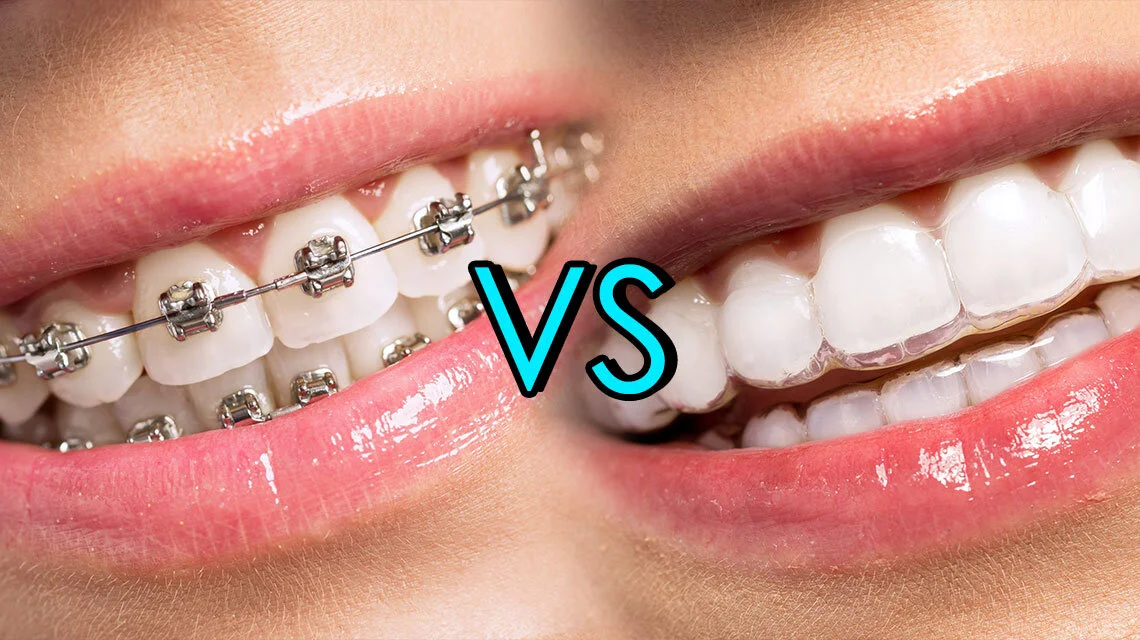
What Is Invisalign?
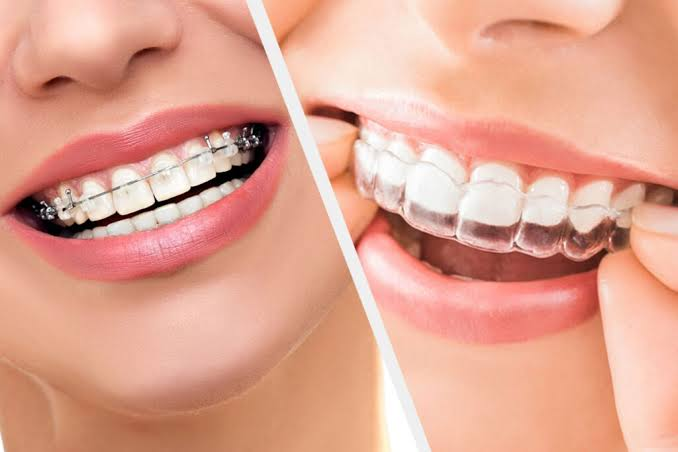
Invisalign is a modern orthodontic system that uses a series of custom-made, clear plastic aligners to straighten teeth without the brackets and wires associated with traditional braces. Each aligner is digitally designed to apply gentle, controlled pressure to specific teeth, gradually moving them into the desired position over time.
The treatment begins with a comprehensive consultation, where your dentist evaluates your oral health, bite alignment, and smile goals. Advanced 3D digital scanning technology creates a precise model of your teeth, allowing for a customized treatment plan that maps every stage of tooth movement before treatment even begins. Patients can also preview their expected results, providing greater confidence in the treatment process.
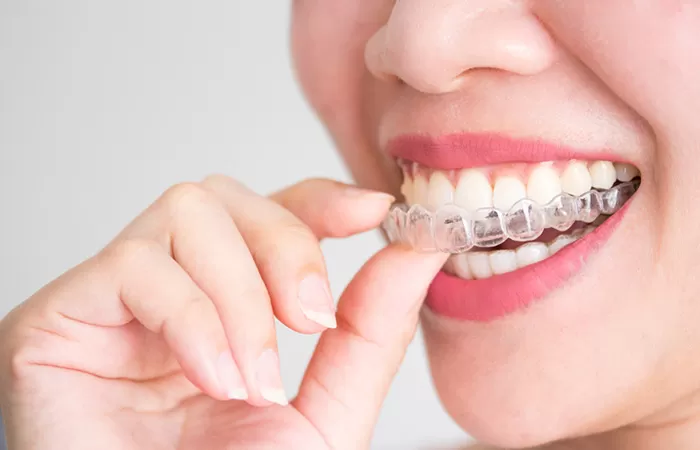
Unlike fixed braces, Invisalign aligners are removable. Patients should wear them for 20 to 22 hours each day, removing them only for eating, drinking anything other than water, brushing, and flossing. New aligners are typically worn every one to two weeks, depending on the treatment plan, with each set making small, carefully controlled adjustments.
Invisalign is highly effective for treating many common orthodontic concerns, including:
- Mild to moderate crowding
- Gaps between teeth
- Minor to moderate overbite, underbite, crossbite, and open bite
- Teeth that have shifted after previous orthodontic treatment
- Cosmetic alignment concerns
One of Invisalign's greatest advantages is its nearly invisible appearance. The clear aligners allow patients to straighten their teeth discreetly, making the treatment especially popular among adults, working professionals, and older teens who want to improve their smiles without drawing attention to their orthodontic treatment.
The removable design also makes maintaining oral hygiene much easier. Patients can brush and floss normally without navigating around brackets or wires, helping reduce the risk of plaque buildup and gum inflammation during treatment.
However, Invisalign's success depends heavily on patient compliance. Because the aligners can be removed, wearing them consistently is essential. Patients who frequently leave them out may experience delayed progress or less predictable results.
What Are Traditional Braces?
Traditional braces have been a trusted orthodontic treatment for decades and remain one of the most effective solutions for correcting both simple and highly complex alignment problems. Rather than removable aligners, braces use a fixed system of brackets bonded to the teeth and connected by archwires that continuously guide teeth into their ideal positions.
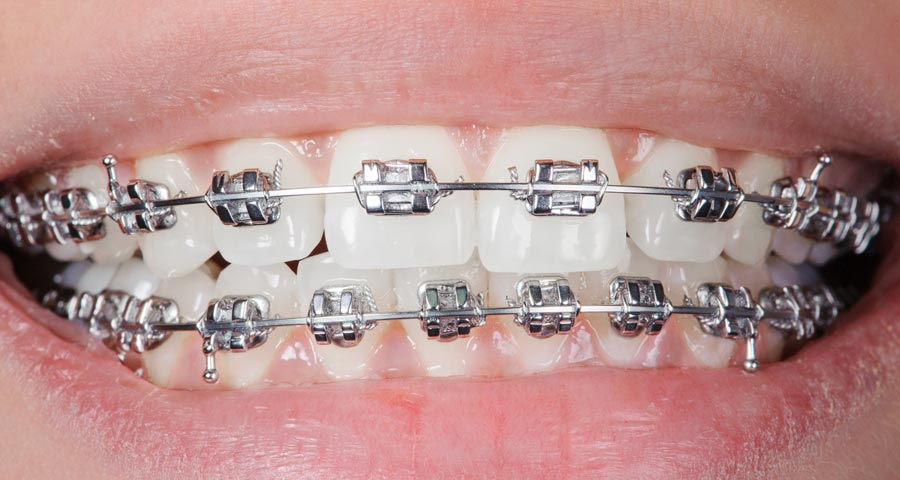
During treatment, your dentist or orthodontist periodically adjusts the wires to maintain the appropriate level of force as your teeth gradually shift. Because braces remain attached throughout treatment, they provide continuous tooth movement without relying on patient compliance, making them an excellent choice for individuals who may struggle to wear removable aligners consistently.
Today's braces are also more comfortable and less bulky than previous generations. Patients may choose from several options depending on their needs and aesthetic preferences, including:
- Metal braces, the most durable and widely used option
- Ceramic braces, which use tooth-colored brackets for a more discreet appearance
- Other specialized orthodontic systems recommended for specific clinical situations
Traditional braces are particularly effective for treating:
- Severe crowding
- Significant spacing issues
- Complex bite misalignment
- Rotated teeth
- Impacted teeth
- Cases requiring substantial tooth movement or jaw correction
Because brackets and wires provide exceptional control over tooth movement, braces are often recommended for patients with more advanced orthodontic conditions that require precise, multidirectional adjustments.
While braces are highly effective, they do require additional attention to oral hygiene. Food particles can become trapped around brackets and wires, making careful brushing, flossing, and regular professional cleanings essential throughout treatment. Patients are also advised to avoid hard, sticky, or chewy foods that could damage orthodontic appliances.
Although braces are more noticeable than Invisalign, they remain the gold standard for many complex orthodontic cases due to their reliability, versatility, and ability to achieve predictable, long-lasting results.
Whether Invisalign or traditional braces is the better option ultimately depends on the complexity of your case, your lifestyle, and your commitment to treatment. A personalized orthodontic evaluation allows your dental provider to recommend the solution that offers the healthiest function, optimal aesthetics, and the most predictable outcome for your unique smile.
Invisalign vs Braces at a Glance
Both Invisalign and traditional braces are proven orthodontic treatments that can deliver outstanding results when recommended for the right patient. While they share the same goal of creating a healthier, straighter smile, they differ in appearance, treatment approach, daily maintenance, and the types of orthodontic issues they can address most effectively.
Treatment Effectiveness: Which Option Delivers Better Results?
When it comes to straightening teeth and improving bite alignment, both Invisalign and traditional braces are highly effective. Neither treatment is inherently "better" than the other. Instead, the best choice depends on the complexity of your orthodontic condition, your treatment goals, and your commitment to following your dentist's recommendations. While Invisalign has advanced significantly in recent years, traditional braces continue to be the gold standard for certain complex cases.
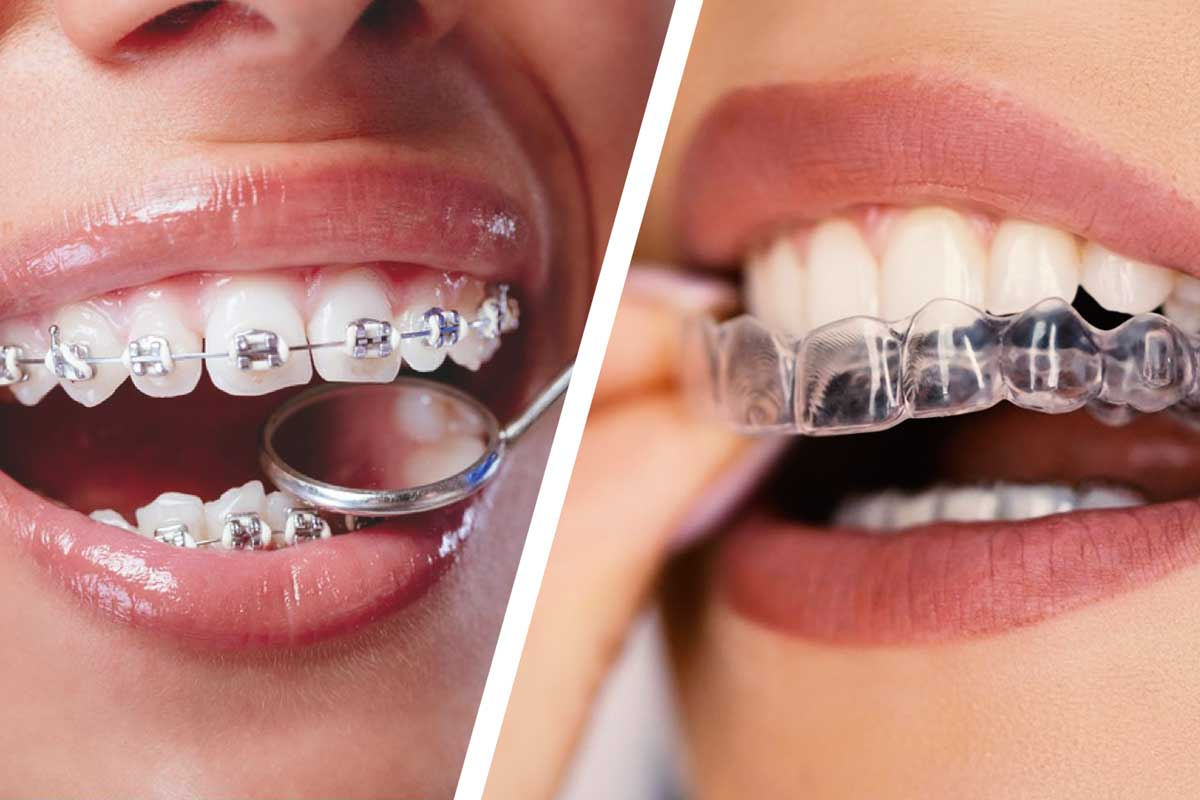
Here's how the two options compare in terms of treatment effectiveness:
- Invisalign is highly effective for mild to moderate orthodontic issues. It can successfully treat crowded teeth, gaps, mild to moderate overbites, underbites, crossbites, open bites, and teeth that have shifted after previous orthodontic treatment.
- Traditional braces offer greater control for complex tooth movement. Because brackets and wires remain fixed to the teeth, dentists can apply continuous, precise forces in multiple directions, making braces ideal for more challenging orthodontic cases.
- Severe crowding and major bite discrepancies are often better treated with braces. Cases involving significant tooth rotations, impacted teeth, or extensive jaw alignment typically benefit from the additional control provided by fixed appliances.
- Invisalign treatment relies heavily on patient compliance. Aligners must be worn for 20 to 22 hours per day to achieve predictable results. Removing them too often or failing to wear them consistently can prolong treatment and affect the final outcome.
- Braces work around the clock. Since they cannot be removed by the patient, they continuously move teeth throughout the day, reducing the risk of treatment delays caused by inconsistent wear.
- Advancements in Invisalign technology have expanded its capabilities. With the help of SmartTrack® material, precision attachments, and digital treatment planning, Invisalign can now address many cases that previously required braces. However, not every complex case is suitable for clear aligners alone.
- Treatment success ultimately depends on accurate diagnosis and personalized planning. A thorough orthodontic evaluation allows your dentist to determine which appliance will provide the safest, most efficient, and most predictable outcome for your unique smile.
Rather than asking whether Invisalign or braces deliver better results, the more important question is which treatment is best suited to your individual needs. An experienced dental professional will evaluate your bite, tooth alignment, oral health, and lifestyle before recommending the option that offers the greatest long-term success, helping you achieve a healthy, functional, and confident smile.
Cost Considerations: Invisalign vs Braces
The cost of Invisalign and traditional braces varies based on your individual treatment needs, so there is no one-size-fits-all price. In the United States, traditional braces typically range from $3,000 to $7,000, while Invisalign treatment generally costs between $3,000 and $8,000. In many cases, the two options are similarly priced, especially for mild to moderate orthodontic treatment.
Several factors influence the overall investment, including:
- Case complexity: More severe crowding or bite problems usually require longer treatment and additional adjustments, increasing the overall cost.
- Treatment duration: Longer treatment plans generally involve more follow-up visits and refinements.
- Insurance coverage: Many dental insurance plans provide orthodontic benefits that may partially cover both Invisalign and braces.
- Financing options: Most dental practices offer flexible monthly payment plans, making orthodontic treatment more manageable for patients and families.
Rather than choosing based on price alone, consider which treatment will provide the most predictable and long-lasting results for your smile. During your consultation at Haven Dental Center, our team will evaluate your orthodontic needs, explain all available options, review your insurance benefits, and provide a personalized cost estimate so you can make an informed decision with confidence.
Why Choose Haven Dental Center for Orthodontic Treatment?
Choosing between Invisalign and braces is only part of the decision. Equally important is selecting a dental team with the experience, technology, and personalized approach to guide your treatment from start to finish. At Haven Dental Center, we combine advanced digital dentistry with patient-centered care to help every patient achieve a healthier, more confident smile.
Here's what sets our practice apart:
- USC-trained expertise. Dr. Don Kim specializes in cosmetic and implant dentistry and has served as an adjunct faculty member at the University of Southern California (USC) since 2022, reflecting his commitment to clinical excellence and continuing education.
- Advanced digital technology for precision treatment. Our office utilizes a 3D Medit Scanner, digital X-rays, laser dentistry, and in-house CT scanning to create accurate diagnoses and customized treatment plans while improving comfort and efficiency.
- Personalized treatment planning. Every smile is unique. We carefully evaluate your bite, tooth alignment, oral health, and lifestyle before recommending Invisalign or traditional braces, ensuring your treatment is tailored to your specific needs.
- Comprehensive care under one roof. From orthodontic treatment to cosmetic dentistry, dental implants, and restorative procedures, our multidisciplinary approach allows us to provide seamless care if additional treatment is needed.
- Convenient, patient-focused experience. We offer same-day appointments, minimal wait times, and evening and weekend availability to make orthodontic care fit your busy schedule.
- Trusted by the community. With a 4.9-star rating based on more than 300 Google reviews, Haven Dental Center has earned a reputation for delivering exceptional clinical care and outstanding patient experiences.
Whether you're considering Invisalign for its discreet appearance or braces for comprehensive tooth movement, our team is here to help you make the right decision. Schedule a consultation at Haven Dental Center to receive a personalized orthodontic evaluation and discover the treatment that will give you the healthiest, most beautiful smile for years to come.
FAQ
Neither treatment is universally better. Invisalign is an excellent choice for patients seeking a discreet, removable option for mild to moderate orthodontic issues, while traditional braces are often recommended for more complex tooth movement and bite correction. The best option depends on your specific orthodontic needs.
Treatment time varies depending on the complexity of your case. Invisalign can often be completed in 12 to 18 months for suitable patients, while braces typically take 18 to 24 months. However, wearing Invisalign aligners as instructed is essential for staying on schedule.
Both treatments can cause mild discomfort as your teeth move. Many patients find Invisalign more comfortable because the smooth plastic aligners do not have brackets or wires that may irritate the cheeks and gums.
Invisalign can successfully treat many orthodontic issues, including crowding, spacing, and certain bite problems. However, severe crowding, significant bite discrepancies, or impacted teeth may still be better treated with traditional braces.
Not necessarily. In many dental practices, Invisalign and traditional braces are similarly priced. The total cost depends on factors such as treatment complexity, duration, insurance coverage, and any additional procedures required.
For the best results, Invisalign aligners should be worn 20 to 22 hours per day. They should only be removed for eating, drinking anything other than water, brushing, and flossing.
Yes. Because Invisalign aligners are removable, you can enjoy all your favorite foods after taking them out. In contrast, patients with braces should avoid hard, sticky, or chewy foods that could damage brackets and wires.
Invisalign generally makes oral hygiene easier because the aligners can be removed before brushing and flossing. Braces require extra care to clean around brackets and wires to reduce the risk of plaque buildup and cavities.
Invisalign is ideal for teens and adults with mild to moderate alignment issues who are committed to wearing their aligners consistently for 20 to 22 hours each day. A consultation with your dentist is the best way to determine if Invisalign is right for you.
The right choice depends on your oral health, the complexity of your orthodontic condition, your lifestyle, and your smile goals. A comprehensive orthodontic evaluation at Haven Dental Center can help determine which treatment will provide the safest, most efficient, and most predictable results.