
.svg)





Dental implants are one of the most effective solutions for replacing missing teeth, but the cost of treatment often raises an important question: Will insurance help cover the expense? The answer is not always straightforward. While some dental insurance plans may contribute to certain parts of the implant process, others provide limited coverage or exclude implants altogether.
Understanding what your insurance plan covers before starting treatment can help you avoid unexpected expenses and make more confident decisions about your oral health. In this guide, we'll explain what dental implant insurance typically covers, which costs are commonly excluded, and how you can maximize your benefits to make treatment more affordable.
Does Dental Insurance Cover Dental Implants?
Yes, dental insurance may help cover dental implants, but coverage varies significantly depending on your specific plan. While some insurance providers offer benefits for implant treatment, others may only cover certain parts of the procedure or exclude implants entirely. This is why it's important to review your policy details before beginning treatment.
In many cases, dental implants are classified as a major restorative procedure. As a result, insurance plans that include implant coverage often pay a percentage of the treatment cost rather than the full amount. Patients are typically responsible for deductibles, copayments, annual maximum limits, and any services that fall outside their plan's benefits.

Coverage may also differ based on the type of insurance you have. PPO dental plans generally provide the most flexibility and may include partial coverage for implants, while some basic dental plans focus primarily on preventive and routine restorative care. Certain employer-sponsored plans offer enhanced implant benefits, but waiting periods and coverage limitations are common.
It is also important to understand that dental implant treatment involves multiple stages, including examinations, imaging, tooth extractions, bone grafting when necessary, implant placement, and the final restoration. Insurance may cover some of these services while excluding others. For example, a plan may contribute toward a dental crown but provide limited coverage for the implant post itself.
Because every policy is different, the best way to determine your benefits is to contact your insurance provider or work with your dental office to verify coverage before treatment begins. A pre-treatment estimate can help you understand your expected out-of-pocket costs and avoid unexpected financial surprises.
What Parts of a Dental Implant Procedure Are Usually Covered?
One of the most common misconceptions about dental implant insurance is that coverage applies equally to every stage of treatment. In reality, insurance companies often evaluate each procedure separately.

Depending on your plan, some services may receive partial coverage while others are considered out-of-pocket expenses. Understanding which parts of the process are typically covered can help you better estimate the overall cost of treatment.
1. Initial Consultation and Diagnostic Exams
Most dental insurance plans provide benefits for the initial evaluation needed to determine whether dental implants are the right solution for you. This may include:
- Comprehensive oral examination
- Digital X-rays
- Treatment planning consultations
- Diagnostic imaging required for implant assessment
Some plans may also contribute toward advanced imaging, such as CBCT scans, although coverage varies by provider and policy.
2. Tooth Extraction
If a damaged or non-restorable tooth must be removed before implant placement, the extraction is often covered under basic restorative or oral surgery benefits. Coverage levels may differ depending on whether the extraction is considered simple or surgical.
Since tooth extraction is frequently viewed as a medically necessary procedure, patients may receive a higher level of insurance assistance compared to other stages of implant treatment.
3. Bone Grafting Procedures
Patients who have experienced bone loss in the jaw may require bone grafting before receiving dental implants. Insurance coverage for bone grafting can be less predictable because providers often evaluate whether the procedure is medically necessary.
In some situations, partial coverage may be available when bone grafting is essential to support oral health and successful implant placement. However, many plans cover only a portion of the cost or exclude the procedure altogether.
4. Implant Post Placement
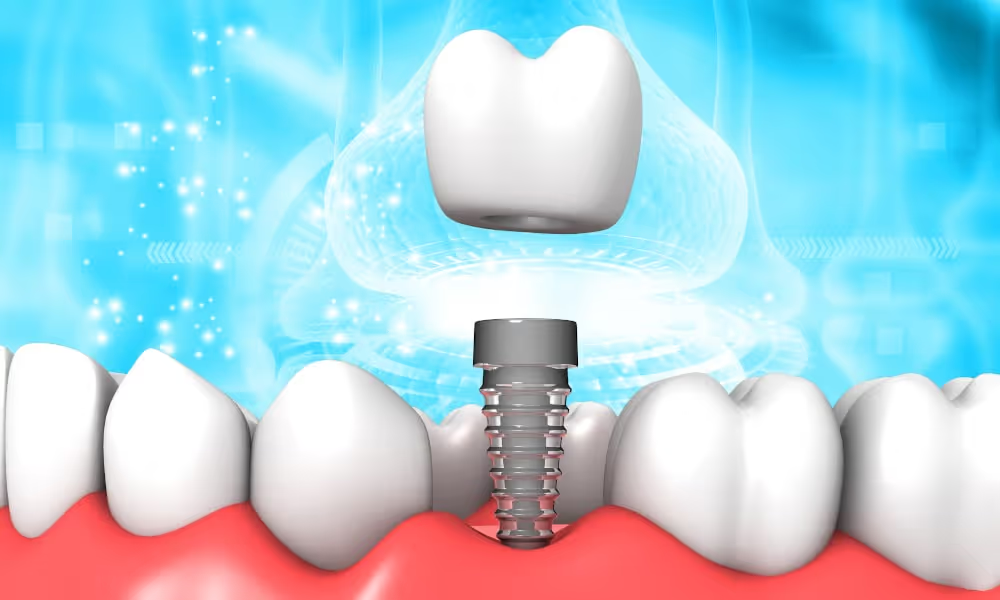
The implant post is the titanium fixture surgically placed into the jawbone to serve as an artificial tooth root. This component represents a significant portion of the total treatment cost.
Some modern dental insurance plans now offer partial coverage for implant placement, typically covering a percentage of the approved fee after deductibles are met. However, many plans still limit benefits for implant surgery or apply annual maximums that reduce the amount covered.
5. Abutment and Dental Crown
After the implant has integrated with the jawbone, an abutment and custom dental crown are attached to complete the restoration.
Coverage for this stage varies widely. Some insurance plans help pay for the crown while offering little or no coverage for the implant post itself. Others may provide benefits for both components, subject to policy limits and coinsurance requirements.
Because the crown is considered the visible replacement tooth, many patients find that it receives more consistent insurance support than the implant surgery itself.
6. Follow-Up Visits and Maintenance
Certain insurance plans may cover routine follow-up appointments related to implant care, particularly when they are part of ongoing preventive treatment. Professional cleanings, examinations, and periodic evaluations may help protect your implant investment and maintain long-term oral health.
Since coverage rules differ among providers, it is always a good idea to verify which stages of treatment are included under your plan before moving forward with dental implant therapy.
What Dental Implant Costs Are Often Not Covered?
While dental insurance can help reduce the cost of implant treatment, it's important to understand that coverage is rarely all-inclusive. Many patients are surprised to learn that certain services and fees may not be covered, even when their plan offers implant benefits. Knowing what to expect ahead of time can help you avoid unexpected expenses and plan your treatment budget more effectively.
Common dental implant costs that are often not fully covered include:
- The full cost of the implant post: Many insurance plans only cover a percentage of the implant itself, leaving patients responsible for a significant portion of the surgical cost.
- Cosmetic-related treatments: Procedures performed primarily to enhance appearance rather than restore function are often excluded from insurance benefits.
- Pre-existing missing teeth: Some insurance providers apply a "missing tooth clause," meaning they may deny coverage if the tooth was lost before you enrolled in the plan.
- Bone grafting and tissue grafting procedures: Although these treatments may be necessary to support a successful implant, coverage can be limited or unavailable depending on your policy.
- Sedation or anesthesia services: If sedation dentistry is used to improve comfort during treatment, insurance may not cover all associated costs.
- Specialist or surgical fees: Additional fees charged by oral surgeons or specialists may not be included in your standard dental benefits.
- Advanced diagnostic imaging: Certain plans cover basic X-rays but provide limited benefits for CBCT scans and other advanced imaging technologies.
- Temporary restorations: Temporary crowns, dentures, or provisional prosthetics used during the healing process are often considered separate expenses.
- Procedures that exceed annual maximums: Even if a service is technically covered, you may still be responsible for costs that exceed your plan's annual benefit limit.
- Replacement due to damage or misuse: Insurance companies may deny coverage for repairs or replacement if an implant restoration is damaged because of neglect, trauma, or non-compliance with recommended care.
Because every insurance policy has its own exclusions, limitations, and waiting periods, reviewing your benefits before treatment is essential. Your dental team can help verify coverage, explain potential out-of-pocket expenses, and provide a detailed treatment estimate so you can move forward with confidence.
Common Dental Insurance Limitations You Should Know
Even when a dental insurance plan includes implant benefits, coverage often comes with certain restrictions. Understanding these limitations can help you avoid surprises and better plan for treatment costs.
- Annual Maximum Benefits: Most dental insurance plans have a yearly spending limit, often ranging from $1,000 to $2,500. Once that maximum is reached, any remaining treatment costs become your responsibility.
- Waiting Periods: Some plans require you to wait several months before major procedures like dental implants become eligible for coverage.
- Alternative Benefit Clauses: Certain insurance providers may cover a less expensive treatment, such as a bridge or denture, instead of paying for a dental implant.
- Coverage Percentages: Even when implants are covered, insurance typically pays only a portion of the total cost, leaving patients responsible for deductibles, copayments, or coinsurance.
- Frequency Limitations: Some policies restrict how often specific restorative procedures can be covered, including implant-related restorations or replacement crowns.
Before starting treatment, it's always a good idea to verify your benefits and request a pre-treatment estimate. A clear understanding of your plan can help you maximize coverage and make informed decisions about your dental care.
How Much Do Dental Implants Cost With Insurance?
For most patients, this is the question that matters most. While dental insurance can help reduce the cost of treatment, there is no one-size-fits-all answer. The amount you'll ultimately pay depends on your insurance benefits, annual maximums, coverage percentages, and whether additional procedures are needed before implant placement.
Without insurance, a single dental implant typically costs between $3,000 and $6,000 or more, including the implant post, abutment, and crown. If bone grafting, tooth extraction, or other preparatory treatments are required, the total cost can increase further.
With insurance coverage, many patients pay significantly less out of pocket. Depending on the plan, insurance may cover a portion of the implant procedure, often ranging from 25% to 50% of eligible services. However, annual benefit limits and coverage restrictions can affect how much assistance you actually receive.
Typical Dental Implant Costs
*Actual costs vary based on your insurance plan, treatment complexity, and individual oral health needs.
It's important to remember that insurance benefits are only one part of the equation. Several factors can influence your final cost, including:
- Whether your plan covers implant surgery
- Annual maximum benefit limits
- Deductibles and coinsurance requirements
- The need for bone grafting or extractions
- Whether treatment is performed by an in-network provider
- The number of teeth being replaced
The best way to determine your actual cost is through a personalized consultation and insurance verification. At Haven Dental Center, our team can review your benefits, provide a detailed treatment estimate, and help you understand every available option before treatment begins. This allows you to make confident decisions without worrying about unexpected financial surprises.
Why Patients Choose Haven Dental Center for Dental Implant Treatment
Dental implants are a long-term investment in your health, confidence, and quality of life. That is why choosing an experienced dental team can make a significant difference in both your treatment experience and your final results. At Haven Dental Center, patients receive advanced implant care in a welcoming environment where comfort, technology, and personalized treatment come together.
Patients continue to choose Haven Dental Center for dental implants because of:
- Advanced implant expertise backed by extensive training in restorative and cosmetic dentistry
- Comprehensive treatment planning that focuses on long-term function, aesthetics, and oral health
- Modern dental technology, including 3D imaging, digital diagnostics, and precise implant planning for more predictable outcomes
- Customized implant solutions for single missing teeth, multiple tooth replacement, and full-mouth restoration
- A compassionate team that takes the time to educate patients and answer questions throughout every stage of treatment
- A comfortable, patient-focused experience designed to reduce stress and help patients feel confident about their care
- Insurance guidance and benefit verification to help patients better understand their coverage before treatment begins
- Flexible financing options that make dental implant treatment more accessible and manageable for a wide range of budgets
At Haven Dental Center, the team understands that cost is often one of the biggest concerns when considering dental implants. That's why they work closely with patients to explore available insurance benefits and financing solutions whenever possible. Their goal is to help patients receive the care they need without unnecessary financial confusion or surprises.
Together with the team at Haven Dental Center, Dr. Don Kim works closely with each patient to explore insurance coverage, flexible financing solutions, and personalized treatment plans that fit both their oral health needs and budget. By combining advanced implant expertise with compassionate guidance, he helps make high-quality dental implant treatment more accessible without unnecessary financial confusion or surprises.
From your initial consultation to your final restoration, Haven Dental Center is committed to delivering high-quality implant dentistry with precision, transparency, and genuine patient care. Whether you are replacing a single tooth or rebuilding your entire smile, you can trust their team to provide personalized solutions designed for lasting results.
FAQ
Yes, dental insurance may help cover dental implants, but coverage varies significantly depending on your specific plan. Some providers offer benefits for implant treatment, while others cover only certain parts of the procedure or exclude implants entirely. Implants are often classified as a major restorative procedure, so plans typically pay a percentage of the cost rather than the full amount.
Insurance companies often evaluate each stage separately. Commonly covered services include the initial consultation and diagnostic exams, tooth extraction, and the dental crown. Coverage for bone grafting, the implant post, and the abutment is less predictable and depends on your individual policy.
Most plans provide benefits for the initial evaluation, including a comprehensive oral examination, digital X-rays, treatment planning consultations, and diagnostic imaging. Some plans may also contribute toward advanced imaging such as CBCT scans, though this varies by provider.
Coverage for bone grafting can be less predictable because providers often evaluate whether the procedure is medically necessary. Partial coverage may be available when grafting is essential for successful implant placement, but many plans cover only a portion of the cost or exclude it altogether.
Frequently excluded or partially covered costs include the full cost of the implant post, cosmetic-related treatments, pre-existing missing teeth (under a "missing tooth clause"), sedation or anesthesia, specialist or surgical fees, advanced diagnostic imaging, temporary restorations, and any procedures that exceed your annual maximum.
A missing tooth clause is a provision some insurance providers apply that may deny coverage if a tooth was lost before you enrolled in the plan. This means pre-existing missing teeth may not qualify for implant benefits.
An annual maximum is the yearly spending limit on your dental plan, often ranging from $1,000 to $2,500. Once you reach that maximum, any remaining treatment costs become your responsibility for the rest of the plan year.
A waiting period is the length of time some plans require you to wait before major procedures like dental implants become eligible for coverage. These periods can last several months, so it's important to check your policy before scheduling treatment.
Without insurance, a single dental implant typically costs between $3,000 and $6,000 or more, including the post, abutment, and crown. With insurance, many patients pay significantly less out of pocket, as plans may cover roughly 25% to 50% of eligible services. Your final cost depends on your benefits, annual maximums, coverage percentages, and any additional procedures needed.
Because every policy is different, the best approach is to contact your insurance provider or work with your dental office to verify coverage before treatment begins. Requesting a pre-treatment estimate helps you understand your expected out-of-pocket costs and avoid unexpected financial surprises.
